How Rhino Shield Ceramic Coatings Protect Government Buildings for Decades in the Gulf Coast
On the Gulf Coast, sun, salt air, and storm seasons punish exterior walls. That is why many facility teams turn to ceramic elastomeric top coats from AmCoat Industrial to protect courthouses, public safety buildings, schools, and municipal offices. These advanced coatings look like paint but perform like a protective shield, helping your buildings stay cleaner, drier, and in service longer.
Why Government Facilities on the Gulf Coast Need More Than Paint
Traditional paint struggles in coastal conditions. Frequent rain, high humidity, and intense UV break down film strength. Salt spray and airborne chlorides drive moisture into porous masonry, and daily temperature swings flex walls that cause thin paints to crack and peel.
- Salt air accelerates corrosion on metal fixtures and railings near buildings.
- Wind-driven rain forces water into hairline cracks in stucco and block walls.
- High UV fades color and chalks paint films far sooner than inland sites.
- Thermal cycling and building movement open seams and joints over time.
The result is recurring repaint cycles, more work orders, and visible wear that undercuts public confidence. A tougher, more flexible system is the smarter path.
What Makes Rhino Shield Ceramic Elastomeric Coatings Different
Rhino Shield combines tightly packed ceramic microspheres with a flexible acrylic-urethane resin system. The finish forms a thicker, elastic film that moves with the wall instead of cracking. It helps seal tiny fissures while remaining breathable enough for trapped moisture vapor to escape.
When paired with the right foundation layer, the system delivers strong adhesion to common civic substrates like CMU block, stucco, concrete, fiber cement, and properly primed metal. For many projects, facility managers spec rhino shield primers to promote bond and uniformity before the top coat. The result is a cohesive protective layer that looks great and lasts.
- Thicker film build for better crack bridging and weather defense
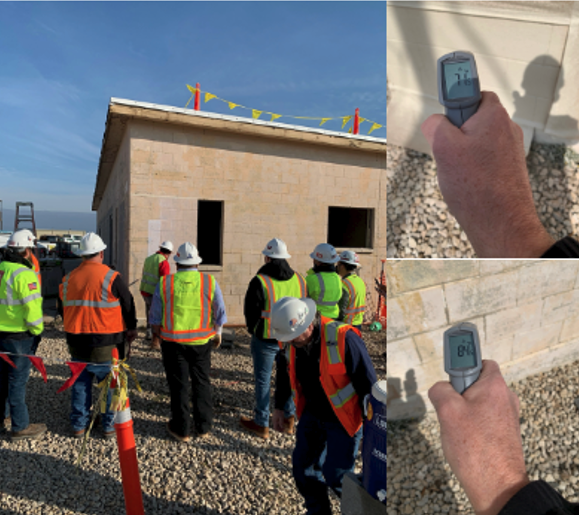
- Ceramic content that reflects heat and helps reduce wall surface temperatures compared to typical paint
- Flexible resin network that tolerates expansion and contraction
- Mildew and algae resistance for cleaner facades in humid climates
Key takeaway: A ceramic elastomeric coating is not just “more paint.” It is a purpose-built exterior system designed to outperform standard latex in coastal environments.
Proven Benefits for Public Buildings
Facility leaders across the Gulf Coast look for coatings that extend repaint cycles and reduce maintenance calls. A ceramic elastomeric system is built for that mission. It resists wind-driven rain, stands up to UV, and keeps its color longer, so buildings hold a sharp, professional appearance for years.
Because the coating helps cut heat absorption on masonry walls, HVAC demand may be eased during peak summer sun. That supports a more comfortable interior and helps facility teams meet efficiency goals. Just as important, the thicker film helps keep hairline cracks from telegraphing through the finish, which protects your investment in prep work.
Facility tip: Document baseline conditions with photos before the project begins. After the first storm season, compare the same elevations. You will likely see less streaking, chalking, and patchwork than with standard paint cycles.
Ceramic Elastomeric Coating vs. Traditional Paint in Gulf Coast Climates
Standard exterior paint offers quick color but limited weather armor. In contrast, ceramic elastomeric coatings deliver a measurable jump in durability and flexibility. That matters when a pop-up squall rolls through Biloxi, Mobile, Pensacola, or Panama City and blasts a façade with rain and sand.
Consider the trade-offs:
- Film strength: Elastomeric ceramic films are thicker and more flexible than typical latex.
- Moisture defense: Purpose-built to resist wind-driven rain; standard paints often absorb and stain faster.
- Color life: Advanced UV resistance helps coatings keep their color and gloss longer.
- Maintenance: Fewer repaints over the life of the facility means fewer interruptions to daily operations.
For many agencies, the question is not “paint or coating” but which system can stretch maintenance dollars the farthest. With rhino shield ceramic coatings applied by trained pros, you get a protective envelope tailored for coastal exposure.
Where This System Works Best on Government Facilities
Gulf Coast municipalities maintain a wide range of building types. The versatility of ceramic elastomeric coatings makes them a strong fit for many exterior wall assemblies:
Common substrates: CMU/block, cast-in-place concrete, stucco, fiber cement siding, and properly primed steel or aluminum components.
These surfaces are often found on administrative buildings, EMS and fire stations, libraries, parks facilities, transit hubs, and public works structures. The coating’s flexibility helps accommodate thermal movement on large wall spans, and its mildew resistance is a plus for shaded north elevations and breezeways.
For roof parapets, exposed stair towers, and coastal-facing walls, a high-build ceramic elastomeric top coat can help reduce water intrusion pathways and staining. Where needed, proper caulking and repairs are integrated into the professional scope before the coating is applied.
How Coatings Support Budgets, Schedules, and Public Service
Repainting civic buildings can disrupt services and public access. With a long-lasting exterior system, you lengthen the time between coating cycles and reduce repeat mobilizations. Many projects can be phased during off-hours to limit impact on parking, entrances, and operations.
Advanced planning also makes it easier to work around Gulf Coast summer storms. A site-specific plan addresses surface prep, crack repair, primer selection, and staging so the crew can move quickly when the forecast clears. Always verify that products and application methods match the building’s substrate and environmental conditions so performance goals are met.
Real-World Performance Factors That Matter on the Coast
Every public building is different, but several performance traits consistently drive success along the coast:
Adhesion and breathability: The system bonds tightly to prepared substrates while allowing moisture vapor to escape, minimizing blistering risk in humid zones.
Crack tolerance: Elastic films stretch with thermal movement, helping to keep hairline cracks from reopening the weather envelope.
Color stability: UV-resistant pigments help preserve a clean civic appearance even after long, bright summers.
Moisture control: A thicker, well-adhered film resists wind-driven rain and helps keep interior surfaces dry, which supports occupant comfort and protects finishes.
Project Planning for the Gulf Coast Facility Manager
Success starts with a clear scope. Identify elevations with the harshest exposure, such as waterfront sides or wind corridors. Consider adding an adhesion-promoting primer for chalky or porous masonry to ensure an even, durable finish. Your spec can also note color requirements for wayfinding, historic districts, or safety zones without sacrificing protection.
If you want a deeper dive into coating best practices and facility insights, browse our recent tips and articles for guidance tailored to government and commercial buildings.
Why Partner With AmCoat Industrial
Government work requires coordination, documentation, and reliability. AmCoat Industrial delivers trained crews, manufacturer-backed systems, and a track record of success with complex facilities. We understand access control, staging, and communication with on-site leadership, and we keep work areas safe and orderly so your team can focus on serving the public.
From initial assessment to final walkthrough, our process is designed to reduce surprises and keep timelines realistic. We help you match a coating system to the actual conditions on your building envelope and your expected service life. That way, your maintenance plan is proactive instead of reactive.
Take the Next Step
If you manage a courthouse, administration complex, or public safety facility anywhere along the Gulf Coast and want an exterior that stands up to the elements, explore our ceramic elastomeric top coats to see how the system works. Then talk with our team at AmCoat Industrial to schedule a site review and build a scope that aligns with your budget and timeline.
Ready to protect your buildings for decades? Call us at 850-261-7639 or reach out today. Learn how a high-performance ceramic elastomeric system can help your facilities look their best and stay in service longer on the coast.
Start now: See the full Rhino Shield system for public buildings and request a proposal through our ceramic elastomeric top coats page.