
Port Arthur, Texas
Holiday Inn
A four story hotel with more than 75,000 sq ft of stucco walls and trim coated with the Rhino Shield system.

Home/Rhino Shield
Wall coating system
An acrylic urethane elastomeric coating with ceramic microspheres as a primary solid. The high build, flexible finish coat seals cracks, repels moisture and protects the wall from the elements, over the primer suited to each substrate.
09 96 53Elastomeric Coatings
System build
Finish DFC ceramic elastomeric coat, sprayed, or rolled where approved in at least two coats
Primer By substrate: APS, Cement Board Primer or Red Iron Oxide
Substrate Stucco, concrete, masonry, cement board or metal
What is in the finish
Rhino Shield DFC is built on compact, variable sized ceramic microspheres. They take the place of the inexpensive fillers in conventional paint and pack tightly together in a flexible acrylic urethane film, a barrier against heat, UV and coating breakdown.
The white finishes reach a solar reflectance index of 105.3 matte and 107.4 satin, above the 100 of a standard white surface.
After 1,058 hours of UVA exposure, the white film still stretched 538% before it broke.
Applied at 100 sq ft per gallon in at least two coats, the high build finish seals hairline cracks.
Sunlight reflected off the surface
DFC finish coat, a flexible acrylic urethane film
Ceramic microspheres in varied sizes, tightly packed
Primer matched to the substrate
Wall substrate: stucco, concrete, masonry, cement board or metal
Infrared field study
A cement board wall built to Florida code was coated half in grey latex paint and half in Rhino Shield of a matching grey, then photographed in direct sun with a FLIR infrared camera by a certified building science thermographer.
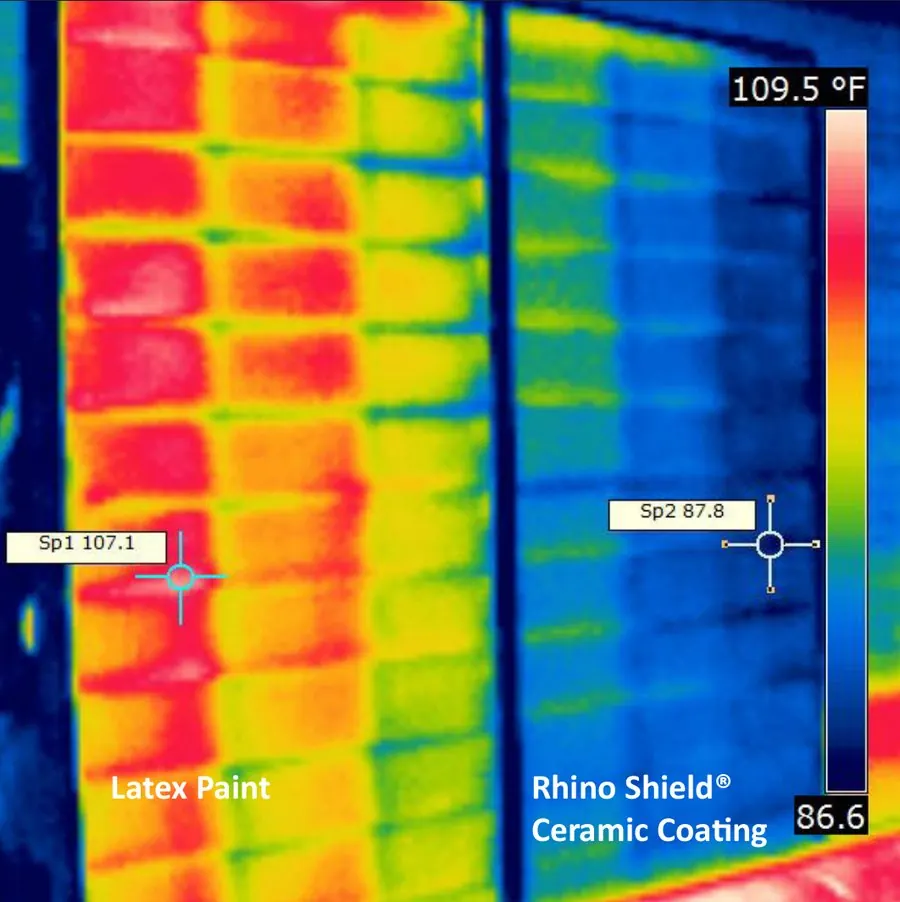
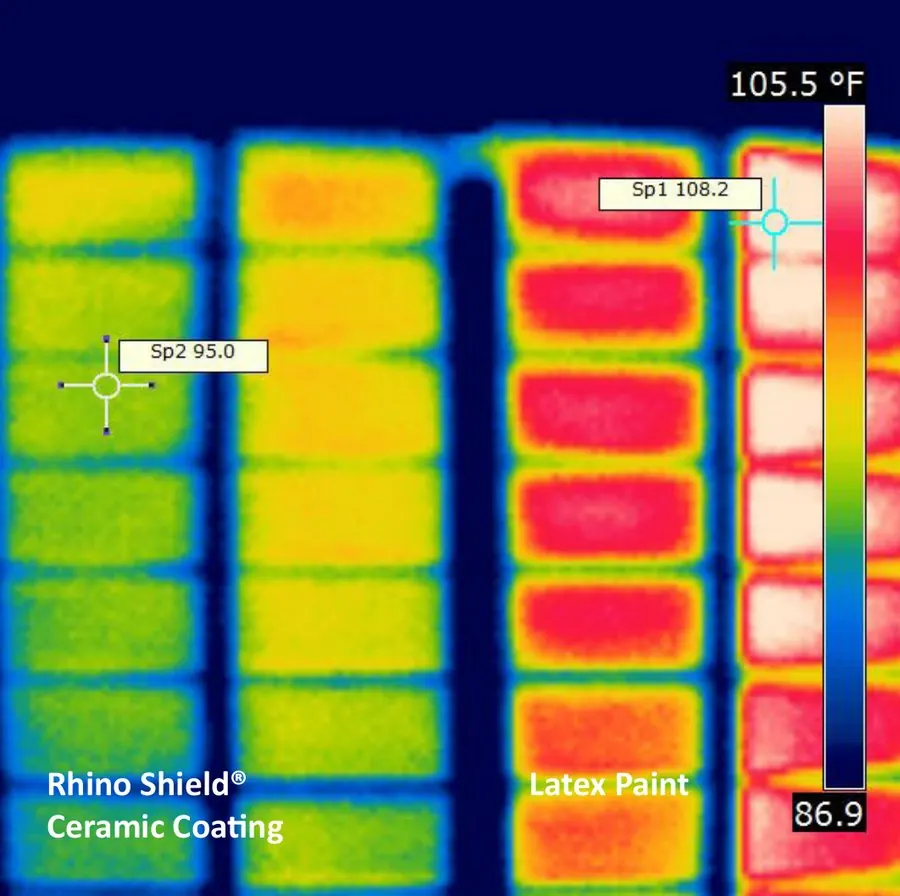
Infrared field study, North Florida, November 2011, sunny and clear at 75°F. Spot readings from the thermographer's radiometric images. A field comparison of two coatings, not a standardized laboratory method.
Cool Colors™
Darker colors absorb more of the sun. Cool Colors™ pigments are formulated to reflect more of it in the same shade, boosting solar reflectance and resisting fading.
Total solar reflectance (TSR) is the share of the sun's energy a surface reflects instead of absorbing. Higher is cooler.
Solar reflectance index (SRI) combines reflectance with thermal emittance, how readily the surface sheds the heat it does absorb, on a scale where standard black is 0 and standard white is 100.
White is the top of the range. The white Rhino Shield finishes score above standard white.
Total solar reflectance (TSR) by shade, lowest to highest measured value
+19.0points
+12.5points
+20.2points
+20.8points
+17.4points
+16.0points
+20.9points
+11.7points
+14.8points
+12.5points
+11.9points
Values are based on individual paint swatches rather than the dried coating. Shade codes as listed on the Cool Colors chart.
Request the Cool Colors chartPerformance
Commercial references
Port Arthur, Texas
A four story hotel with more than 75,000 sq ft of stucco walls and trim coated with the Rhino Shield system.
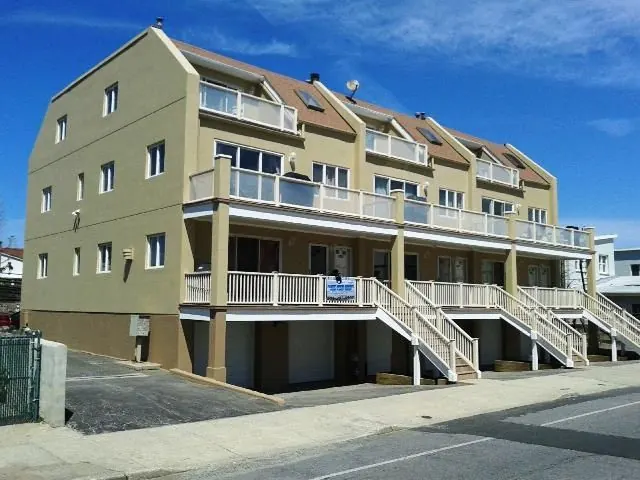
Long Beach, New York
Waterfront stucco buildings with water and salt damage: 12 units, about 15,000 sq ft, coated with tinted APS and DFC.
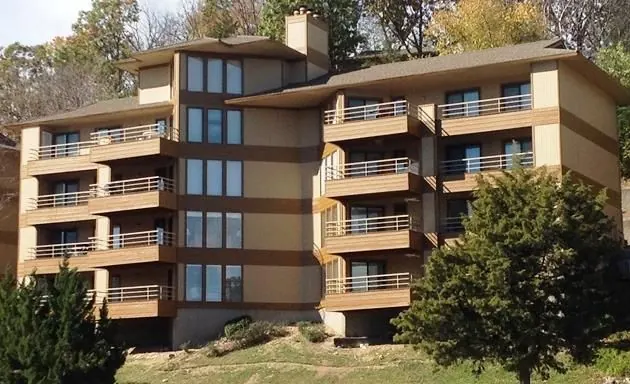
Lake Ozark, Missouri
A 64 unit complex that wanted off the repainting cycle: 15,000 sq ft of cedar panel and trim coated with APS and DFC.

Hyannis, Massachusetts
A wood shopping center protected against Cape Cod weather with the Rhino Shield elastomeric system.
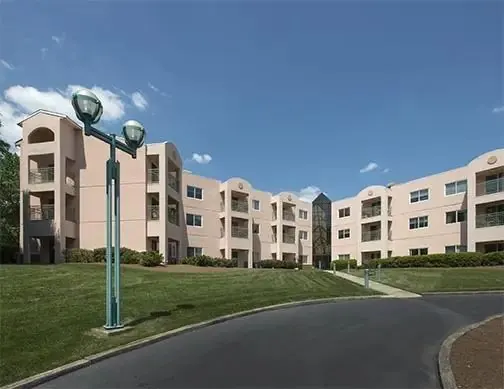
Georgia
Exterior walls coated with Rhino Shield.
Destin, Florida
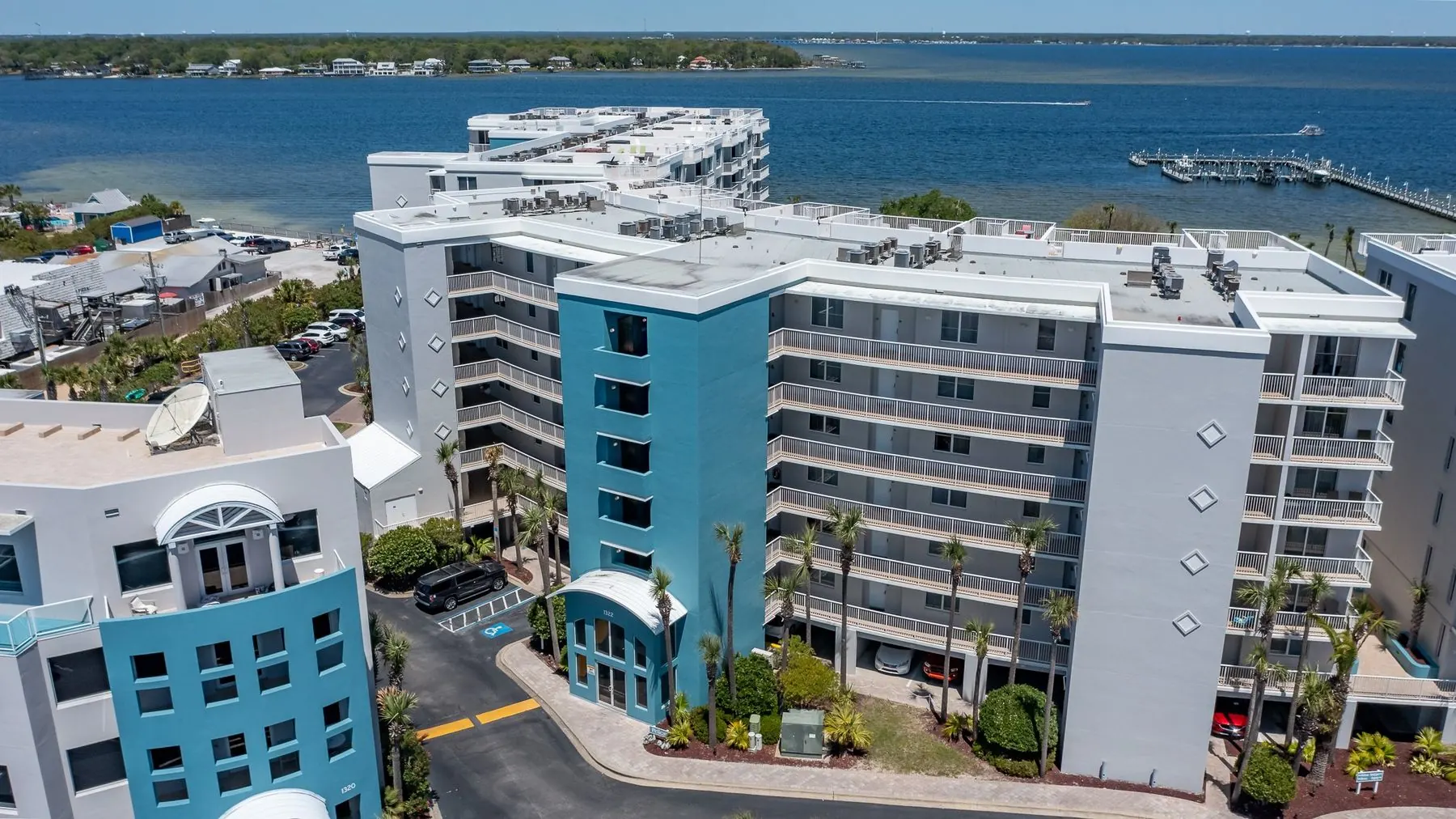
Condominium towers on the water, coated with Rhino Shield.
Walls, floors or both. Tell us about it and we will tell you what fits.